

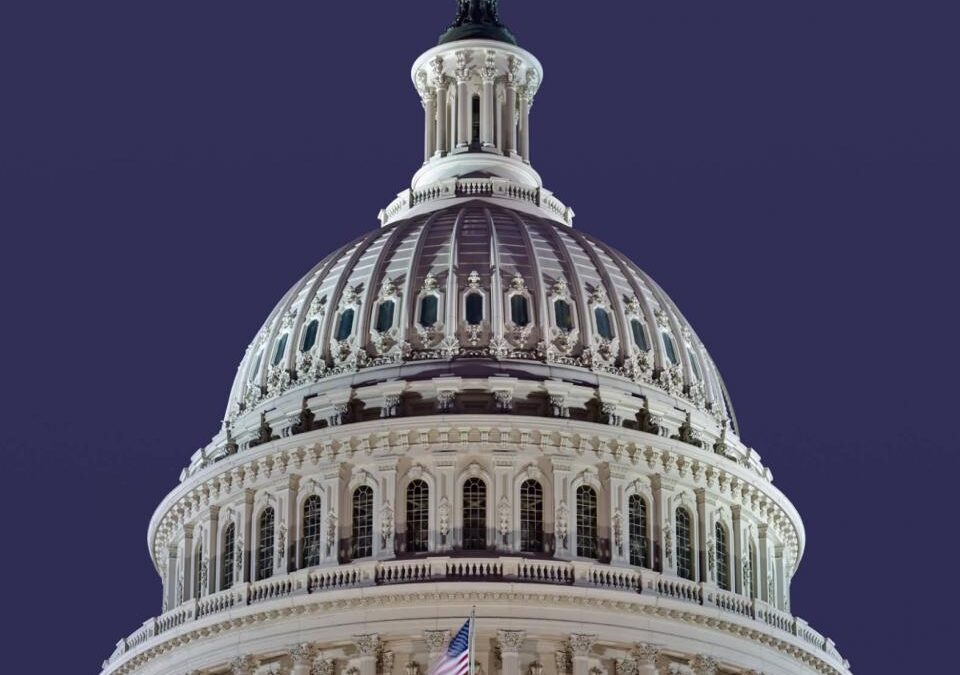
I’ve been intrigued by discussions surrounding the U.S. Senate Parliamentarian and her interpretation of the “Byrd Rule.” Some Republicans have called for firing the Parliamentarian, highlighting discrepancies that deviated from the intended scope of the rule, which allows only budget-related matters in reconciliation packages. These decisions are rooted in precedent, highlighting the distinct differences between Senate and House rules.
It’s essential to note that the U.S. Senate Majority Leader selects the Parliamentarian. It is a pivotal role. Drawing from personal experience working with Senator Dole, I sat across from U.S. Senate Parliamentarian, Bob Dove, a Democrat, who exemplified unparalleled professionalism and integrity.
I distinctly recall in 2001, the new Senate Leader Trent Lott fired Bob Dove for his interpretations and rulings. It was a bad move that reverberated around the U.S. Capitol.
It’s crucial to respect the historical context and significance of the Parliamentarian’s duties, and to recognize someone who is just doing the job they’ve been appointed to do.
This position transcends partisanship, focusing on upholding Senate protocols rather than engaging in activism. This role is not influenced by politics and its unfair to call someone appointed to office by the leadership an “unelected bureaucrat.”
If the U.S. Senate does not uphold procedural norms and the integrity of the institution, they will be discrediting the upper chamber, thus causing even more distrust of government. Let the woman do her job. Legislators must figure out how to craft legislation that fits within the rules.